Discovering the Array of Disability Provider Available Via NDIS Solutions for Boosted Assistance
The National Impairment Insurance Plan (NDIS) gives an organized structure for sustaining people with handicaps. Its array of solutions addresses different elements of every day life, from personal care to area engagement. Recognizing how these solutions work can brighten their prospective influence on enhancing quality of life. As one checks out the details of NDIS offerings, the inquiry arises: just how can these solutions be customized to satisfy varied private requirements?
Recognizing the NDIS: A Quick Introduction
Although the National Impairment Insurance Coverage System (NDIS) was developed to sustain people with specials needs, its structure and function can be complicated. The NDIS intends to offer financial aid and resources tailored to the distinct requirements of individuals. Recognizing the NDIS involves recognizing its core components, consisting of qualification criteria, moneying allowance, and assistance sychronisation. Participants must undergo an analysis process to identify their demands, which informs their individualized strategies.
These strategies describe the particular support solutions readily available, ranging from restorative interventions to area involvement. The NDIS runs on a concept of selection and control, encouraging people to select their preferred provider. Furthermore, the plan stresses the value of very early treatment, aiming to enhance long-lasting outcomes for participants. Navigating the NDIS can be difficult, yet it plays a vital function in fostering independence and boosting the high quality of life for individuals with impairments.
Personal Treatment Providers: Tailored Assistance for Daily Living
Personal care services are essential for individuals with specials needs, as they provide customized assistance to support day-to-day living activities. These services encompass a wide variety of support, consisting of assistance with personal health, dressing, grooming, and meal prep work. ndis registered provider. By resolving private demands, personal care services make it possible for customers to preserve self-respect and self-reliance in their day-to-day routines
Through the National Handicap Insurance Policy Scheme (NDIS), participants can access funding for these essential services. Educated caregivers work very closely with people to produce tailored support strategies that show their unique preferences and requirements. This personalization enables adaptability in care, making sure that people receive the best degree of assistance at the ideal time.
Additionally, personal care services can promote social interaction, as caregivers usually motivate participation in area activities. On the whole, these solutions play a crucial function in enhancing the high quality of life for people with specials needs, enabling them to navigate daily difficulties better.
Therapeutic Supports: Enhancing Mental and physical Wellbeing
Therapeutic assistances play a critical duty in enhancing both psychological and physical health and wellbeing for individuals with disabilities under the NDIS framework. These supports incorporate a range of solutions, consisting of physical rehabilitation, psychology, and occupational therapy, tailored to fulfill the special demands of individuals. By attending to specific challenges, restorative supports offer significant advantages, fostering better health results and general high quality of life.
Kinds Of Healing Supports
They typically run into a range of therapeutic alternatives developed to enhance both physical and mental health and wellbeing when individuals seek support with the National Disability Insurance Policy Scheme (NDIS) These healing assistances include physiotherapy, which concentrates on improving activity and physical function, and work-related treatment, intended at aiding individuals participate in day-to-day activities. Speech treatment is an additional alternative, aiding with interaction and ingesting difficulties. Psychological treatments, such as therapy and cognitive-behavioral therapy, address psychological health challenges and psychological support. Furthermore, imaginative therapies, consisting of art and songs treatment, offer non-verbal opportunities for expression and recovery. Each sort of assistance is customized to fulfill specific requirements, making sure an extensive technique to wellbeing with the NDIS framework.
Advantages for Individuals
Individuals in the NDIS can experience significant gain from restorative supports that boost their mental and physical well-being. These services, that include physiotherapy, work treatment, and mental assistance, play a vital duty in enhancing overall health and wellness results. By addressing details needs, restorative supports promote higher independence and functionality, enabling participants to engage even more fully in day-to-day tasks. Furthermore, mental wellness treatments can alleviate anxiousness and depression, promoting emotional resilience. Enhanced wellness not only adds to a higher high quality of life however also supports social inclusion and neighborhood engagement. Inevitably, the customized nature of these therapeutic solutions equips individuals, enabling them to reach their personal goals and accomplish a more fulfilling life while browsing their specials needs.
Community Involvement: Engaging With the Broader Culture
Community involvement plays an important role in enhancing the lives of people with disabilities by fostering social involvement. Involving in comprehensive neighborhood activities not just develops links yet likewise promotes a sense of belonging. These communications can cause countless benefits, over here including boosted psychological wellness and enhanced opportunities for individual development.
Advantages of Social Interaction
Social engagement serves as a crucial element of total wellness, specifically for people with disabilities navigating the National Handicap Insurance System (NDIS) Engagement in social activities fosters a feeling of belonging and decreases sensations of seclusion. Involving with others boosts psychological health by promoting positive feelings and building self-esteem. In addition, social interactions can bring about the advancement of vital life skills, consisting of communication and synergy. Individuals that proactively get involved in their areas typically experience raised self-reliance and improved top quality of life. Additionally, social involvement can aid people with disabilities to support for their requirements, thereby enhancing their ability to access needed services. Inevitably, significant links within the area provide useful assistance and resources for people navigating their one-of-a-kind challenges.
Inclusive Community Activities
While involving in comprehensive area activities, people with impairments can experience significant benefits that enhance their link to the wider culture. These activities offer possibilities for social interaction, fostering friendships and reducing sensations of isolation. By getting involved in neighborhood occasions, people can establish brand-new abilities, gain confidence, and add to society in purposeful methods. Accessibility to various programs, such as sporting activities, arts, and cultural events, enables for varied experiences tailored to personal rate of interests and abilities. Furthermore, these inclusive settings advertise recognition and understanding among area participants, producing a much more accepting atmosphere for every person. Ultimately, inclusive area activities not only empower individuals with handicaps yet likewise enrich the neighborhood in its entirety, advertising a culture of inclusivity and support.
Ability Building Sustains: Empowering Individuals for Self-reliance
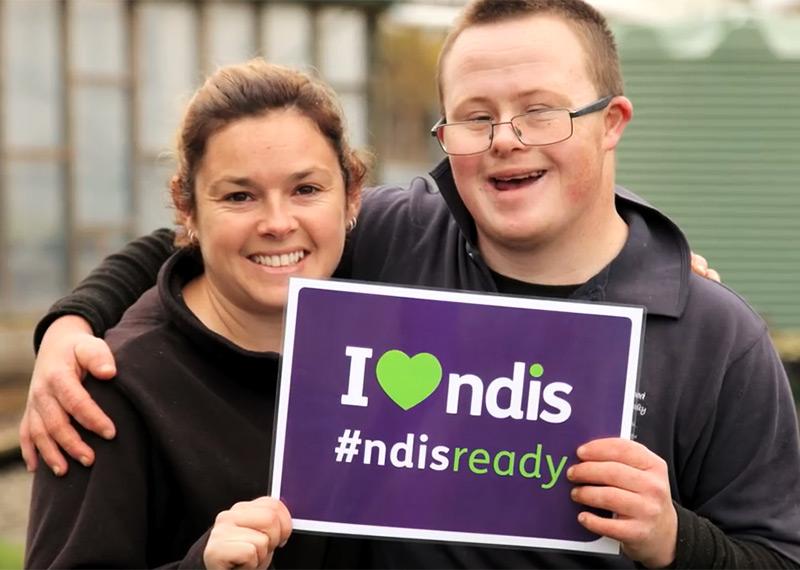
Training in daily living abilities, such as budgeting, self-care, and food preparation, enables individuals to browse their settings better. Additionally, social skills advancement helps foster connections and community engagement, minimizing sensations of seclusion.
Assistance control additionally adds to constructing capability by assisting individuals in accessing essential sources and services. This holistic strategy makes sure that individuals not just obtain support however are actively participated in their own growth. Eventually, capacity structure supports help with a pathway to higher autonomy, permitting individuals with handicaps to lead satisfying and independent lives.
Assistive Technologies: Devices for Improved Performance and Availability
Assistive technologies function as necessary devices that boost performance and access for individuals with specials needs. These gadgets and software program services are designed to support various demands, allowing users to execute daily tasks and involve even more fully in their neighborhoods. Instances consist of mobility help such as wheelchairs and walkers, interaction gadgets like speech-generating software application, and sensory devices that aid those with visual or hearing impairments.
With the National Handicap Insurance System (NDIS), people can access funding for these innovations, guaranteeing they get the needed support to improve their high quality of life. The assimilation of assistive technologies not only fosters freedom but likewise advertises social addition, enabling individuals to take part in instructional, professional, and leisure activities. Fundamentally, these devices are essential in developing a fair setting where individuals with impairments can grow, adding to a more inclusive society.
Frequently Asked Questions
What Qualification Standard Must Be Met to Accessibility NDIS Services?
How Can I Appeal a Choice Made by the NDIS?
To appeal an NDIS decision, individuals should send an ask for an evaluation in writing, clearly mentioning the factors for the appeal. They may also look for aid from advocacy solutions for advice throughout the process.
Are NDIS Services Available for Children and Adults?
NDIS services are readily available for both adults and kids, giving assistance tailored to individual requirements. This inclusive strategy ensures that all participants, despite age, can access necessary support and sources for their handicaps.
What Is the Refine for Altering My NDIS Plan?
To change an NDIS strategy, one need to submit a demand to the NDIS, laying out the factors for the modification. Following a review, the NDIS will examine the demand and alert the individual of the outcome.
Just How Are NDIS Financing Amounts Determined for Person Individuals?
NDIS moneying amounts for private participants are identified based upon their certain needs, objectives, and the support called for, evaluated via a planning process that takes into consideration both individual her comment is here situations and the types of solutions required.
The National Disability Insurance Plan (NDIS) offers a structured framework for sustaining people with specials needs. The National Special Needs Insurance Policy Scheme (NDIS) was established to support individuals with handicaps, its structure and function can be complicated (ndis registered provider). Therapeutic assistances play a vital function in enhancing both psychological and physical wellbeing for people with disabilities under the NDIS structure. When people look for assistance with the National Special Needs Insurance Policy Scheme (NDIS), they usually come across a variety of restorative options designed to boost both physical and mental well-being. With the National Impairment Insurance Plan (NDIS), individuals can access funding for these modern technologies, ensuring they receive the essential support to improve their top quality of life
Comments on “How NDIS providers support with capacity building for independence”